

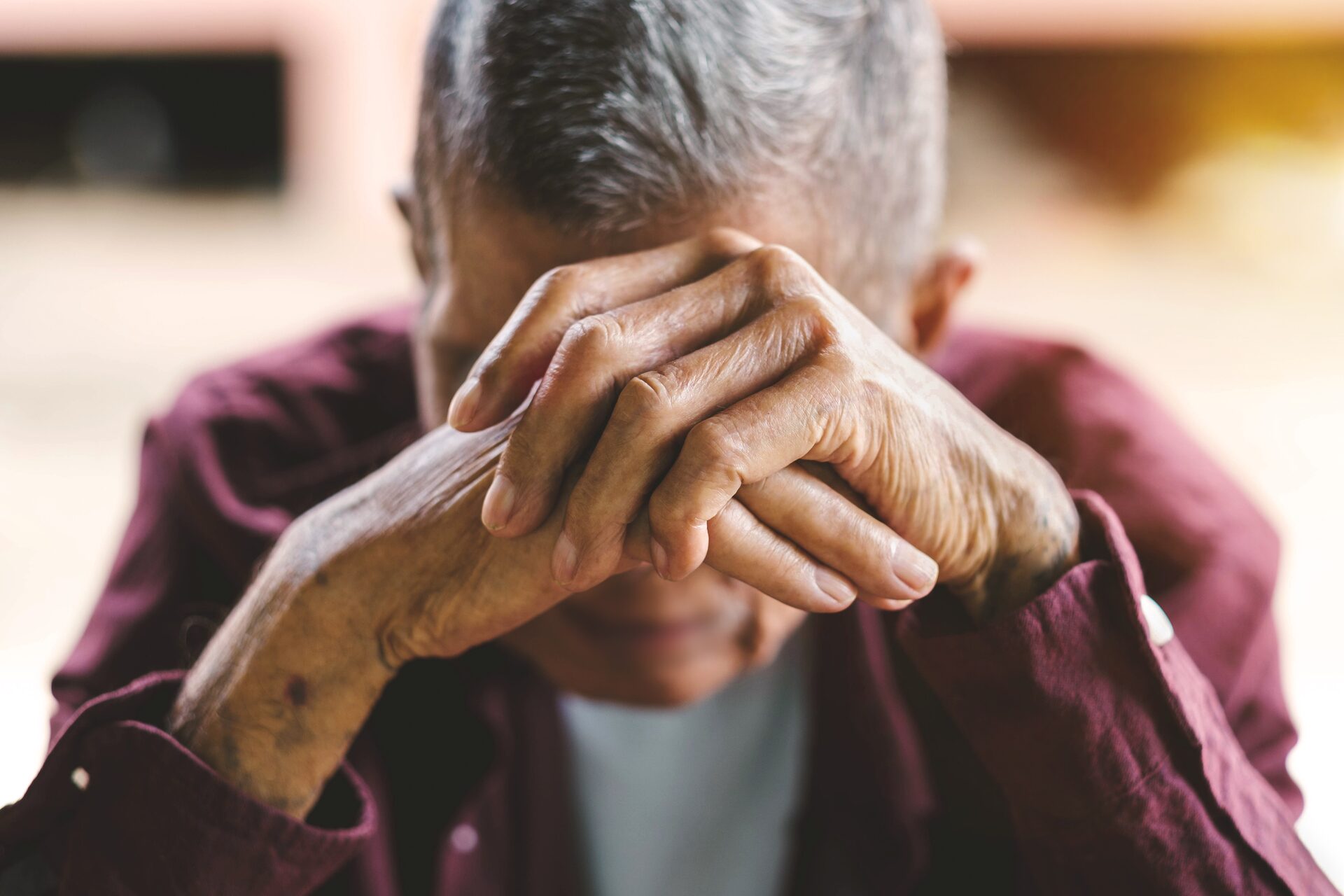
What Is Nursing Home Abuse and Neglect?
Nursing home abuse and neglect can take many forms. Understanding the difference between the two is an important first step.
Abuse
Abuse refers to intentional acts that cause harm, including:
- Physical abuse (hitting, restraining, or physically harming a resident)
- Emotional or psychological abuse (verbal threats, humiliation, isolation)
- Sexual abuse
- Financial exploitation
Neglect
Neglect refers to the failure to provide adequate care, including:
- Failure to prevent or treat pressure injuries (bedsores)
- Inadequate nutrition or hydration
- Failure to administer medications correctly
- Poor hygiene and unsanitary conditions
- Falls due to inadequate supervision or improper equipment
- Failure to respond to medical changes in a timely manner
Both abuse and neglect can result in serious physical injury, psychological harm, and in some cases, wrongful death.
Signs of Nursing Home Abuse or Neglect
If you are concerned about a family member in a nursing home, the following may indicate a problem:
- Unexplained bruises, cuts, or injuries
- Sudden weight loss or signs of dehydration
- Untreated wounds or worsening bedsores
- Poor personal hygiene or unclean living conditions
- Withdrawal, fear, or changes in behavior
- Staff who are dismissive, evasive, or unwilling to answer questions
- Missing personal belongings or unexplained financial transactions
- Frequent infections or recurring hospitalizations
If you are observing any of these signs, it is worth speaking with an attorney who can help you understand your options.
Common Nursing Home Neglect Injuries
Jason handles cases involving a range of nursing home injuries and conditions, including:
Pressure ulcers (bedsores)
Preventable wounds caused by prolonged immobility and inadequate repositioning
What to Do If You Suspect Nursing Home Abuse or Neglect
Taking action early can make a significant difference in a nursing home abuse or neglect case. Consider the following steps:
- 01
Document everything
Take photographs of injuries, living conditions, or anything that concerns you. Keep notes with dates and details.
- 02
Request medical records
As a family member or authorized representative, you may have the right to obtain your loved one's medical records.
- 03
Report the concern
You can report suspected abuse or neglect to your state's long-term care ombudsman or adult protective services.
- 04
Consult an attorney
An attorney with medical knowledge can review the records and help you determine whether a legal claim is appropriate.
Jason W. Voelke offers consultations for nursing home abuse and neglect cases. Early consultation allows for a more thorough review of the facts and helps preserve important evidence.
Frequently Asked Questions
Talk to Jason W. Voelke
About Your Case
If you believe a family member has been harmed in a nursing home or long-term care facility, Jason W. Voelke is available to review your case. As a former nurse and current attorney, Jason brings a perspective to these cases that is difficult to find elsewhere.